Empowering Sustainable Energy in Rural America
Desert Cactus Fuels develops decentralized bioenergy and carbon management systems specifically for arid and semi-arid regions, based on the cultivation of spineless Opuntia ficus-indica on marginal land with minimal water input and no competition with food production. As a CAM plant, spineless cactus produces very high biomass yields under extreme water limitation, enabling renewable gas, green hydrogen, and green methanol production through established industrial pathways such as anaerobic digestion and downstream fuel synthesis. Carbon is captured biologically and retained through fuels, materials, or permanent storage options, resulting in high carbon utilization and the potential for net-negative outcomes. The model integrates energy production with soil restoration, improved water infiltration, and long-term land value creation, delivering dispatchable, infrastructure-compatible energy designed around the physical constraints of dry regions rather than abstract policy assumptions.
The Problem We Address
Harnessing Nature for a Greener Tomorrow
Innovating for a Sustainable Future
Current renewable energy strategies largely assume the availability of fertile land, reliable water, and centralized infrastructure. In arid and semi-arid regions, these assumptions break down. Limited water availability, degraded soils, and competition with food production constrain both agricultural expansion and conventional bioenergy pathways, while intermittent power generation fails to provide the dispatchable energy required by industry and transport.
Desert Cactus Fuels addresses these structural constraints directly. The challenge is not a lack of renewable technologies, but the absence of systems designed for dry regions. Energy production, carbon management, and land restoration must operate within hard biophysical limits rather than abstract policy targets.
Discover Our Key Initiatives
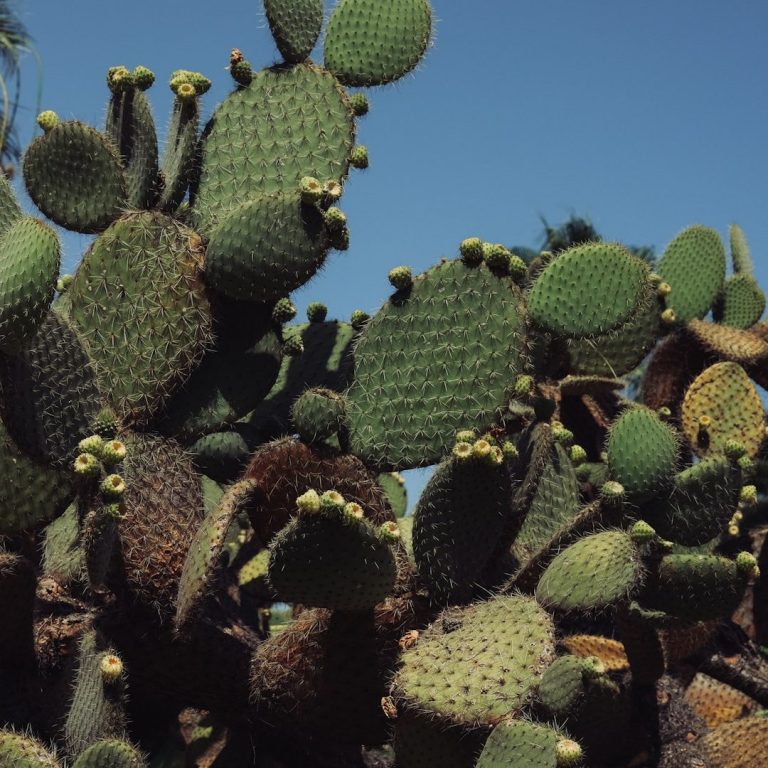
Our initiatives focus on building scalable bioenergy and carbon capture systems rooted in the biophysical realities of arid and semi-arid regions. Each project integrates spineless cactus cultivation, decentralized energy conversion, and long-term land restoration to deliver dispatchable fuels and measurable climate impact.
Join us in our mission to revolutionize the bioenergy landscape and promote environmental sustainability.
Decentralized Bioenergy
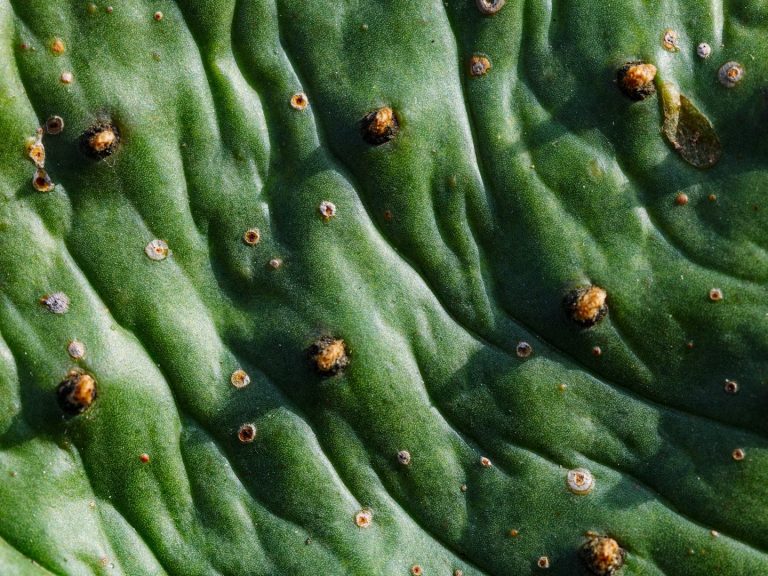
Decentralized bioenergy enables reliable fuel and energy production close to the biomass source, reducing transport losses and infrastructure dependence. By converting spineless cactus locally into biogas, renewable natural gas, and downstream fuels, the system remains scalable, resilient, and compatible with existing energy markets.
Carbon Sequestration and Utilization
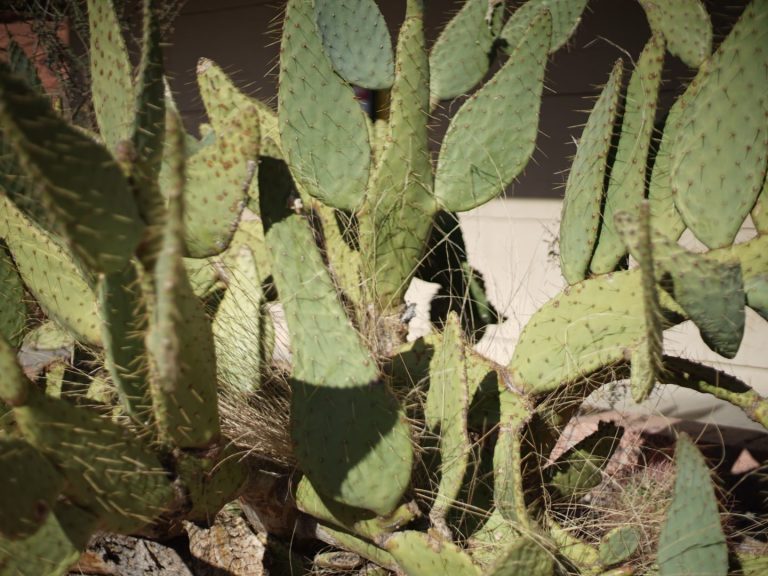
Carbon is captured biologically through biomass growth and retained through fuel synthesis, material pathways, or permanent storage options. This approach prioritizes high carbon utilization and permanence, integrating carbon management directly into energy production rather than treating it as a separate end-of-pipe solution.
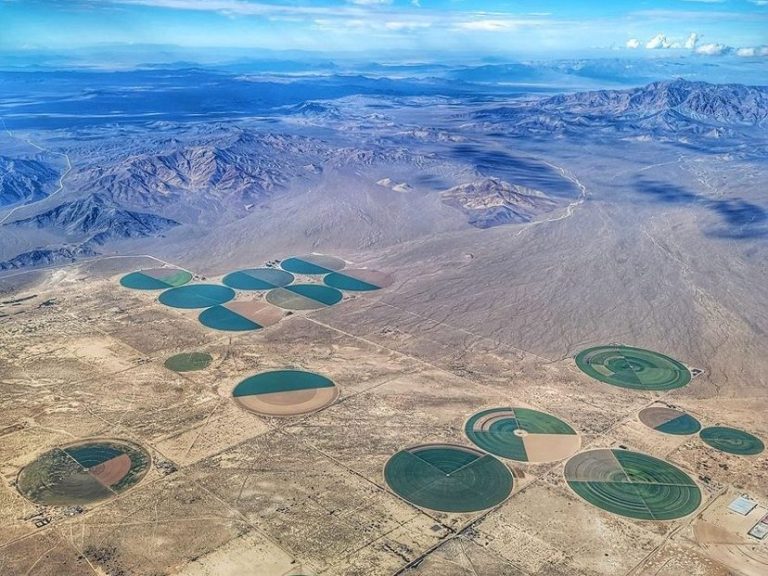
Reducing Water Demand in Arid Agriculture
Spineless cactus cultivation replaces high-water-demand crops with a biomass system adapted to extreme water scarcity. By producing high yields on marginal land with minimal irrigation, water use is reduced in absolute terms while agricultural productivity and land value increase.
We restore degraded soils while integrating local farmers into our sustainable model.
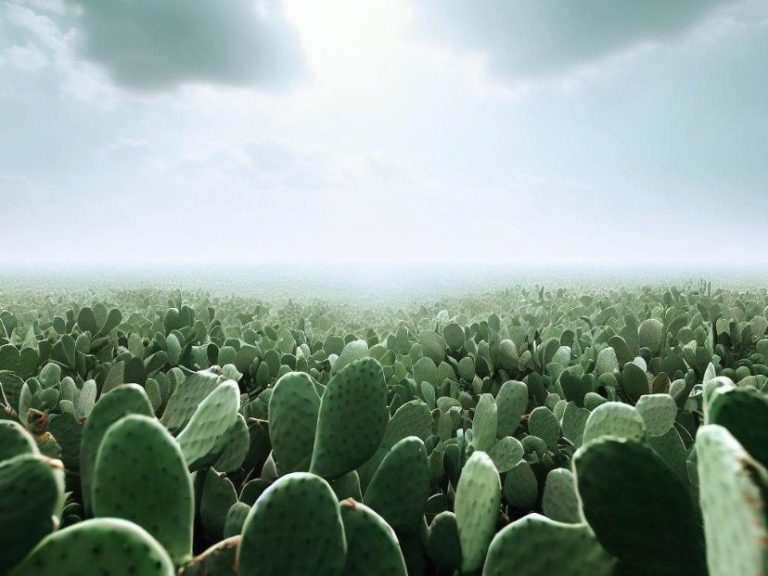
Sustainable Energy Production
Sustainable energy production requires fuels that are storable, transportable, and available on demand. By converting desert-grown biomass into renewable gas, hydrogen, and methanol, the system delivers dispatchable energy that integrates with existing infrastructure and industrial use.
No Competition With Essential Food Production
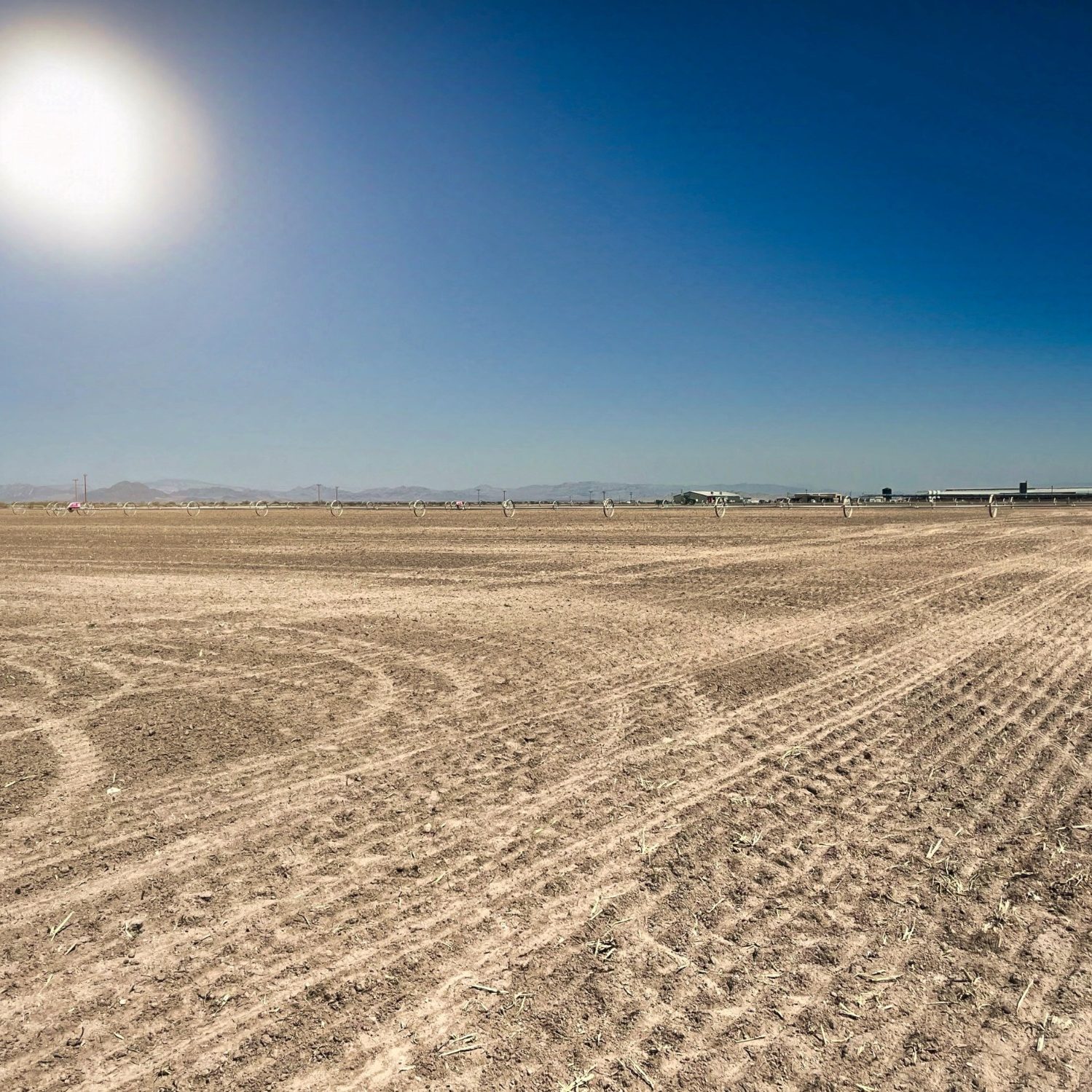
Energy production relies on spineless cactus grown on marginal, arid land that cannot support conventional food crops without intensive irrigation. This avoids direct competition for fertile soil, freshwater, and agricultural inputs, ensuring that fuel production does not displace food cultivation or strain food systems.
Tagline
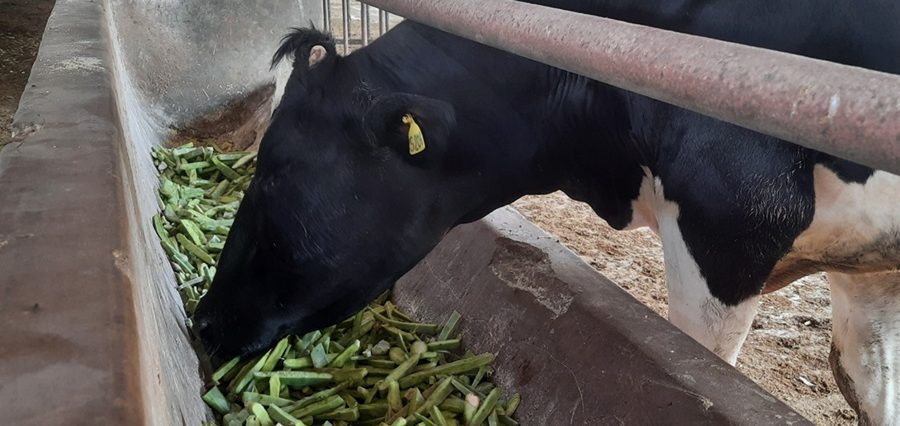
The bridge to Biofuels: Fodder
Fermented cactus biomass is first used as fodder, stabilizing early revenue and reducing risk during project ramp-up. This use creates a direct bridge to biofuels by anchoring large-scale biomass production before conversion into energy and fuel pathways.


The Markets
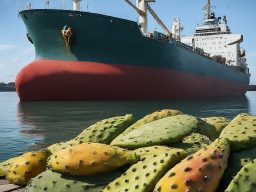
The markets served are industrial energy, transport fuels, and in particular clean fuels for shipping and aviation, where energy density and reliability are decisive. Demand is driven by decarbonization requirements, fuel security, and the need for scalable fuel pathways that do not rely on fertile land or high water inputs.